Best Indoor Plants for Dark Rooms (That Actually Thrive)
Find the best indoor plants for dark rooms with real foot-candle ranges, pet toxicity data, and watering schedules that actually work.
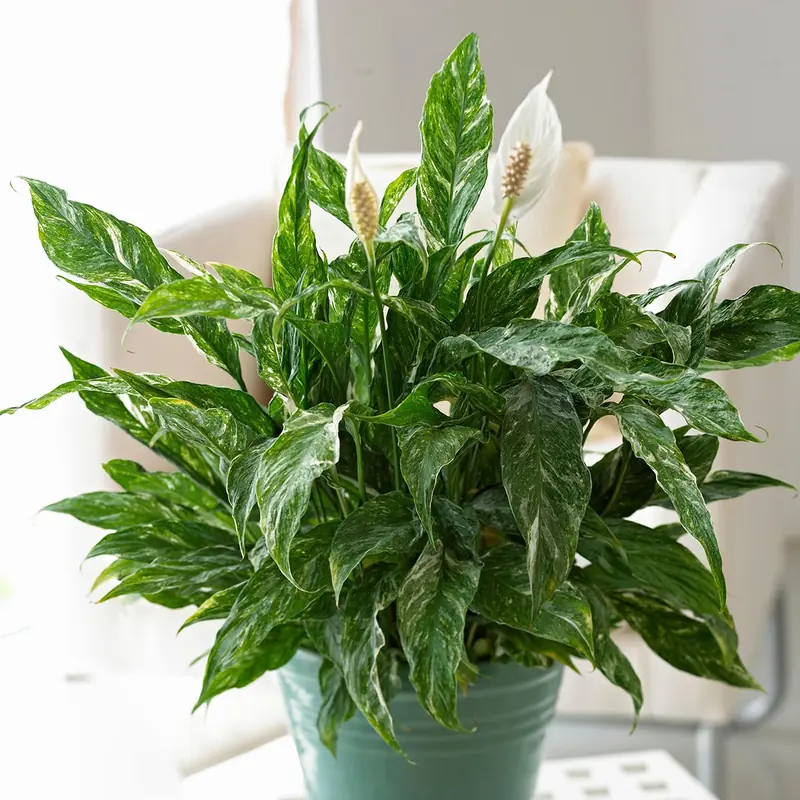
Key Takeaways
- Measure your room's light with a free smartphone lux meter app at midday and plant height — 'low light' means 25–200 foot-candles, not a vague 'shady corner.'
- Aspidistra elatior (Cast Iron Plant) is the only plant on this list that reliably survives below 50 foot-candles without a grow light, making it the correct choice for truly dark north-facing rooms.
- In low light, water 50–70% less often than care tags recommend — reduced photosynthesis means the plant absorbs water far more slowly, and overwatering is the top cause of death for dark-room plants.
- Three plants on this list are ASPCA-confirmed non-toxic to cats and dogs: Cast Iron Plant, Parlor Palm (Chamaedorea elegans), and Prayer Plant (Maranta leuconeura 'Lemon Lime').
- Winter sun angle drops light levels 30–50% in the same spot — move dark-room plants within three feet of a window from October through February, or add a 6500K LED grow bulb on a 12-hour timer.
- A full-spectrum LED grow bulb costs $12–$20 and lasts 25,000+ hours — it is cheaper than replacing a dead plant and the only viable solution for a windowless room.
What 'Dark Room' Really Means for Plants (Foot-Candles Explained)
Most articles on this topic throw around phrases like "shady corner" or "tolerates low light" without ever defining what that means in measurable terms. That vagueness gets plants killed. So here's the actual number: low light for houseplants means 25–200 foot-candles (fc). For comparison, bright indirect light near a south-facing window runs 400–800 fc. Your average sun-loving succulent wants 1,000 fc or more.
One foot-candle equals roughly 10.76 lux — a unit your smartphone can measure right now. Download Lux Light Meter (iOS) or Lux Meter (Android), both free. Hold your phone at plant height, point it toward your light source, and take the reading at midday. Morning and evening readings are misleading — midday is what matters for plant biology.
Low Light ≠ No Light: The Minimum Threshold
Standard ceiling bulbs output roughly 10–30 fc at floor level. That is not enough. No houseplant on this list — or any other — survives long-term under room lighting alone without a dedicated grow light. A windowless office with fluorescent overheads is not "low light." It is effectively dark, and plants treated that way will slowly die over months.
North-facing windows in the Northern Hemisphere are the most common real-world scenario. On a clear day they typically deliver 50–200 fc. On an overcast winter day, that same spot can drop to 25–75 fc. Winter sun angle reduces light levels 30–50% in the same location — a plant that barely manages in October can fail by December without intervention. We'll address that directly in the grow-light section below.
How to Measure Your Room's Light Level Right Now
Measure at plant height, not at the windowsill. Take three readings: one at the window, one three feet back, one six feet back. Most apartment living rooms drop below 100 fc by the time you're six feet from a north window. That single measurement will tell you more than any plant label ever will.
The Best Indoor Plants for Dark Rooms
Every plant below has been selected because it genuinely tolerates the 50–200 fc range that a north-facing apartment room produces. Each entry includes a foot-candle range, realistic watering frequency in low light, pet safety status, and the single most common mistake owners make.
| Plant | FC Range | Water Frequency (Low Light) | Pet Safe? | Biggest Mistake |
|---|---|---|---|---|
| Sansevieria laurentii | 50–250 fc | Every 4–6 weeks | Toxic | Overwatering in winter |
| Zamioculcas zamiifolia (ZZ) | 50–150 fc | Every 3–4 weeks | Toxic | Watering weekly like a tropical |
| Epipremnum aureum (Pothos) | 75–200 fc | Every 10–14 days | Toxic | Ignoring soil dryness cues |
| Spathiphyllum (Peace Lily) | 100–400 fc | Every 7–10 days | Toxic | Expecting blooms below 200 fc |
| Aspidistra elatior (Cast Iron) | 25–100 fc | Every 2–3 weeks | Safe | Placing in direct sun (damages leaves) |
| Philodendron hederaceum | 75–200 fc | Every 7–10 days | Toxic | Confusing with Monstera care needs |
| Chamaedorea elegans (Parlor Palm) | 100–250 fc | Keep consistently moist | Safe | Letting soil dry out completely |
| Maranta leuconeura 'Lemon Lime' | 100–300 fc | Every 7–10 days | Safe | Skipping humidity in dry winters |
Snake Plant (Sansevieria laurentii) — The Gold Standard
Best for: Beginners who forget to water and have a north window.
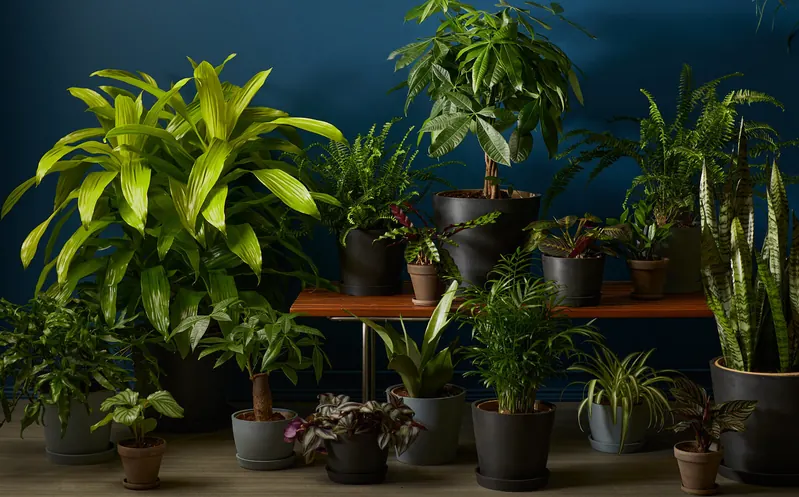
The variegated cultivar Sansevieria laurentii — the one with yellow-edged leaves — is the specific form carried by retailers like The Sill and The Fernseed, and it's the one worth buying. It tolerates 50–250 fc, making it reliable in true low-light rooms. In those conditions, water every 4–6 weeks. Not every two weeks. Every four to six weeks. Overwatering is the only way most people kill this plant. Per the ASPCA Animal Poison Control Center, it is toxic to cats and dogs if ingested.
ZZ Plant (Zamioculcas zamiifolia) — Thrives on Neglect
Best for: Anyone who travels frequently or has a genuinely dim apartment.
Zamioculcas zamiifolia survives 50–150 fc — the lowest range of any tropical on this list. Its rhizomes store water like a succulent's roots, which is why watering weekly destroys it. In low light, water every 3–4 weeks and check the soil before you do. According to the Chicago Botanic Garden, ZZ Plant is among the most adaptable houseplants available. It is toxic to cats and dogs, and its sap can irritate human skin — wear gloves when repotting.
Golden Pothos (Epipremnum aureum) — Fast-Growing Trailer
Best for: People who want visible growth even in low-light conditions.
Epipremnum aureum is the fastest grower on this list. In dim conditions — 75–200 fc — vines can still extend 8–12 inches per month. Water when the top two inches of soil dry out, typically every 10–14 days in low light. Toxic to cats and dogs.
Peace Lily (Spathiphyllum) — Blooms in Near-Darkness
Best for: Rooms that hit 150+ fc and owners who want occasional flowers.
The Spathiphyllum genus is endorsed by both the Royal Horticultural Society and the Chicago Botanic Garden as a reliable low-light performer. Be realistic, though: below 200 fc it will stay green but won't bloom. Drooping leaves mean it needs water — that's the signal to watch. Water every 7–10 days in low light. Toxic to cats and dogs.
Cast Iron Plant (Aspidistra elatior) — Truly Shade-Proof
Best for: The darkest room in your home with zero direct sun.
This is the most shade-tolerant plant on this list, full stop. Aspidistra elatior handles as low as 25–100 fc — the RHS rates it as exceptionally shade-tolerant, a distinction earned over generations of use in Victorian-era parlors with minimal window access. It's slow-growing and not showy, but it will not die. Water every 2–3 weeks. Non-toxic to pets. If your lux meter reads under 50 fc, this is your only viable long-term option without a grow light.
Heartleaf Philodendron (Philodendron hederaceum) — Beginner's Best Friend
Best for: Trailing displays in rooms that hit 75–200 fc.
Philodendron hederaceum is significantly easier to manage in dim rooms than its flashier cousin, Monstera deliciosa, which struggles below 200 fc. Heart-shaped leaves trail naturally or climb a moss pole. Water every 7–10 days in low light. Mildly toxic to cats and dogs.
Parlor Palm (Chamaedorea elegans) — Low-Light Statement Plant
Best for: Adding height and texture to a dim corner.
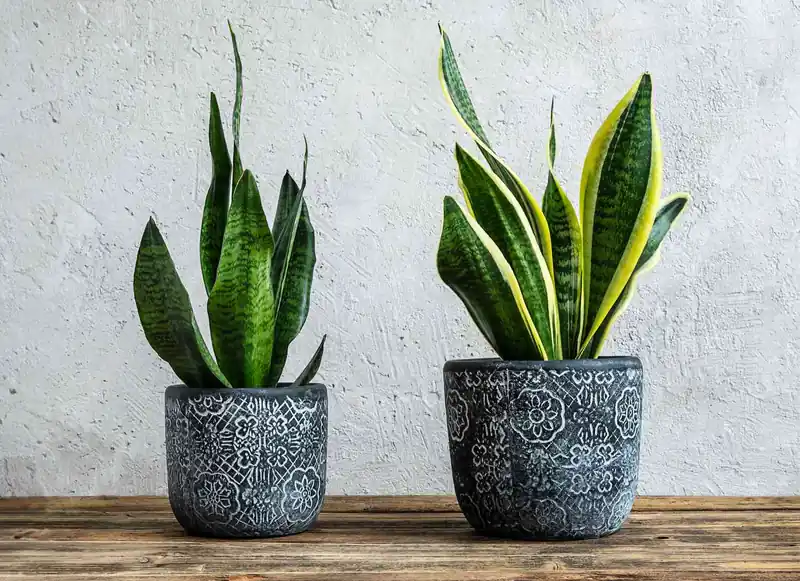
Chamaedorea elegans is one of the only palms that genuinely accepts low light — 100–250 fc — without immediately declining. The Sill specifically names it as a low-light palm. Keep the soil consistently moist (not soggy), and don't let it dry out completely between waterings. Non-toxic to both cats and dogs, per ASPCA.
Prayer Plant (Maranta leuconeura 'Lemon Lime') — Color in the Shadows
Best for: Owners who want striking foliage and can manage humidity.
The 'Lemon Lime' cultivar of Maranta leuconeura — cited by The Fernseed and The Jungle Collective — handles 100–300 fc and delivers bold yellow-green patterning that holds color even in dim rooms. The catch: it needs more humidity than anything else on this list. Mist weekly or set the pot on a pebble tray with water. Non-toxic. As of April 2026, it's one of the few truly colorful non-toxic options for low-light rooms.
Bonus mention: Dracaena marginata tolerates 100–250 fc and is named by both The Sill and The Fernseed. It's reliable but grows very slowly in true low light — expect one or two new leaves per season.
Pet Toxicity Quick-Reference Table
Toxicity warnings scattered through individual plant entries are easy to miss. This table consolidates them. All classifications are based on the ASPCA Animal Poison Control Center database — the most authoritative source on this topic for pet owners in North America.
| Plant Name | Toxic to Cats | Toxic to Dogs | Source |
|---|---|---|---|
| Aspidistra elatior (Cast Iron Plant) | ✅ Non-toxic | ✅ Non-toxic | ASPCA |
| Chamaedorea elegans (Parlor Palm) | ✅ Non-toxic | ✅ Non-toxic | ASPCA |
| Maranta leuconeura (Prayer Plant) | ✅ Non-toxic | ✅ Non-toxic | ASPCA |
| Sansevieria laurentii (Snake Plant) | ⚠️ Toxic | ⚠️ Toxic | ASPCA |
| Zamioculcas zamiifolia (ZZ Plant) | ⚠️ Toxic | ⚠️ Toxic | ASPCA |
| Epipremnum aureum (Pothos) | ⚠️ Toxic | ⚠️ Toxic | ASPCA |
| Spathiphyllum (Peace Lily) | ⚠️ Toxic | ⚠️ Toxic | ASPCA |
| Philodendron hederaceum | ⚠️ Toxic | ⚠️ Toxic | ASPCA |
Note on ZZ Plant: In addition to being toxic if ingested, Zamioculcas zamiifolia sap can cause skin irritation in humans. Wear gloves when repotting. For the full toxicity database, visit aspca.org/pet-care/animal-poison-control.
If you have cats or dogs that chew on plants, build your collection around Aspidistra elatior, Chamaedorea elegans, and Maranta leuconeura. Those three are your only genuinely pet-safe options from this list.
Care Tips That Apply to All Low-Light Plants
Why Overwatering Kills More Dark-Room Plants Than Anything Else
Here's the chain most beginners miss: reduced light leads to reduced photosynthesis, which leads to reduced water uptake. A plant in a south-facing window might drink through its soil in seven days. Move that same plant to a north-facing room and it may not need water for three to four weeks. The plant hasn't changed — the biology of its water use has.
Stop watering on a calendar schedule. Check the soil. Push your finger two inches deep. If it's still moist, wait three more days and check again.
Beyond watering, these four practices make a measurable difference in dim rooms:
- Soil mix: Add 20–30% perlite to standard potting mix. Low-light soil stays wet far longer than well-draining mix in brighter conditions. Waterlogging is the direct cause of most root rot in dark-room plants.
- Fertilizer: Cut feeding to once every 6–8 weeks in low light. Stop entirely from November through February. Overfeeding a slow-growing plant causes salt buildup and root damage — the opposite of the intended effect.
- Dust leaves monthly: A layer of dust on a leaf blocks a meaningful portion of the limited light available. Wipe leaves with a damp cloth once a month. It takes five minutes and makes a real difference.
- Rotate pots: Turn each pot 90 degrees every two to three weeks so all sides of the plant get equal exposure to whatever light exists. Plants left in place lean hard toward the light source over time.
Seasonal action matters most in October through February. Move dark-room plants within three feet of the nearest window, or add a 6500K LED grow bulb on a 12-hour timer. That simple intervention keeps plants alive through winter when nothing else will.
Signs Your Plant Isn't Getting Enough Light
These symptoms are specific. Don't guess — look for the pattern.
- Etiolation: Stems stretch long and spindly toward the nearest light source. The plant is physically starving for photons. This is irreversible on existing stems — you can only prevent it going forward.
- Pale or yellowing leaves: Check soil moisture first. If the soil isn't waterlogged, inadequate light is the likely cause.
- Near-zero growth in spring and summer: A healthy ZZ Plant or pothos should push at least a few new leaves per season even in low light. If nothing is emerging by June, the light level is too low.
- Variegation loss: Sansevieria laurentii losing its yellow margins and reverting toward solid green means the plant is conserving energy. It's a clear distress signal specific to variegated species.
- No blooms on a previously flowering Peace Lily: Spathiphyllum needs 200+ fc to produce flowers. Below that threshold it stays green indefinitely.
- Leaf curl or drop on Prayer Plant: Maranta leuconeura reacts to both low light and low humidity by curling leaves inward or dropping them entirely.
If you see two or more of these signs at once, move the plant closer to a window or add supplemental light immediately. Don't wait for the next season.
North-Facing Room? Here's Exactly What to Buy
This is the most common real-world scenario for apartment dwellers, and it's the one most plant guides handle worst. North-facing windows in the Northern Hemisphere deliver 50–200 fc on a clear sunny day. On an overcast winter day, the same window drops to 25–75 fc. That's the reality you're working with.
Here's the honest species split:
Reliable at 50 fc and below:
- Aspidistra elatior (25–100 fc) — the only plant on this list that survives genuinely dark conditions long-term without a grow light
- Zamioculcas zamiifolia (50–150 fc) — manages the lower end of north-window light year-round
- Sansevieria laurentii (50–250 fc) — reliable in summer, borderline in winter; add a grow light in January and February
Struggle below 75 fc — move these to an east or west window instead:
- Epipremnum aureum (Pothos)
- Philodendron hederaceum
- Chamaedorea elegans (Parlor Palm)
- Maranta leuconeura 'Lemon Lime' (Prayer Plant)
If your lux meter app reads under 50 fc at plant height, buy Aspidistra elatior. It is the only plant on this list that can genuinely survive that condition over the long term without supplemental lighting. Everything else will decline, some faster than others.
If gnats become an issue — which happens when soil stays perpetually moist in dim rooms — the right tool matters. Read our guide to the best gnat killer for indoor plants before the problem gets out of hand.
When Low Light Isn't Enough: Using a Grow Light
A north-facing room in winter can drop to 25–50 fc. That's below the survival threshold for every plant on this list except Aspidistra elatior. A grow light is not a luxury item in that situation — it's the difference between a living plant and a dead one by March.
The setup is simpler than most people assume. You do not need a specialty grow fixture. A full-spectrum LED bulb in the 6000–6500K color temperature range, in a standard E26 socket, screwed into a desk lamp, is enough for one or two plants. Position it 12–18 inches above the plant canopy. Run it on a timer for 12 hours daily to simulate a natural photoperiod.
As of April 2026, a quality full-spectrum LED grow bulb costs $12–$20 and lasts 25,000+ hours. That's cheaper than replacing a dead plant, and cheaper than the pot it came in from most retailers.
Even Aspidistra elatior and the ZZ Plant respond positively to supplemental light in winter — they won't need it to survive, but they'll push new growth noticeably faster under a 12-hour grow cycle. For Spathiphyllum, supplemental light in winter is often the only way to get blooms in a low-light apartment.
Frequently Asked Questions
Can any plant survive with no natural light at all?
No houseplant on this list can survive long-term on standard room lighting alone. Ceiling bulbs output roughly 10–30 foot-candles at floor level — far below the 25 fc minimum that even the hardiest plant (Aspidistra elatior) requires. For a windowless room, a dedicated 6000–6500K LED grow light running 12 hours daily is the only viable solution.
What's the easiest dark-room plant for a complete beginner?
The ZZ Plant (Zamioculcas zamiifolia) is the best choice for beginners. It tolerates 50–150 foot-candles, forgives irregular watering (water every 3–4 weeks in low light), rarely gets pests, and survives the kinds of neglect that kill most other houseplants. Runner-up: Sansevieria laurentii, for the same reasons. Both are toxic to pets, so if you have cats or dogs, start with Aspidistra elatior instead.
How often should I water plants in a dark room?
Always check the soil before watering — never go by the calendar. In true low light, most plants need water 50–70% less frequently than the care tag suggests. Specific schedules in low light: ZZ Plant every 3–4 weeks, Golden Pothos every 10–14 days, Peace Lily every 7–10 days, Snake Plant every 4–6 weeks, Cast Iron Plant every 2–3 weeks. Reduced photosynthesis in low light means the plant takes up water much more slowly than it would in a bright room.
Will low-light plants grow faster under a grow light?
Yes, significantly. Most plants on this list will push noticeably more new growth under a 6500K LED running 12 hours daily, even species that technically survive without one. A ZZ Plant or pothos that produces one or two leaves per season in a dim room may double or triple that output under supplemental light. For Peace Lily (Spathiphyllum), a grow light is often the only way to trigger blooming in a low-light apartment.
Which low-light plants are safe for homes with cats and dogs?
Three plants on this list are confirmed non-toxic to both cats and dogs by the ASPCA: Aspidistra elatior (Cast Iron Plant), Chamaedorea elegans (Parlor Palm), and Maranta leuconeura 'Lemon Lime' (Prayer Plant). All other plants on this list — including Pothos, ZZ Plant, Snake Plant, Peace Lily, and Philodendron — are toxic if ingested. Build a pet-safe collection around those three.
Do low-light plants need fertilizer?
Yes, but much less than you think. In low light, plants grow slowly and use nutrients at a fraction of the rate they would in a bright room. Cut feeding to once every 6–8 weeks during the growing season, and stop entirely from November through February. Overfeeding a slow-growing dark-room plant causes salt buildup in the soil that damages roots — the exact opposite of the intended effect.