Monstera: Indoor or Outdoor Plant?
Can monstera grow indoors or outdoors? The answer is your USDA zone. We break down exactly where monstera thrives—and where it won't survive.
Key Takeaways
- Monstera deliciosa can grow outdoors year-round only in USDA zones 10–12 — South Florida, Hawaii, and coastal Southern California.
- In zones 8–9, move monstera outside from May through September and bring it indoors before nighttime temperatures drop below 55°F.
- Outdoor monsteras in the ground can reach 30+ feet tall with 3-foot-wide leaves — plan placement carefully and never plant against a foundation.
- Indoors, the biggest mistake is placing monstera in a low-light corner; a south or east-facing window within 5 feet is the minimum for real growth and fenestration.
- Always harden off monstera over 2 weeks before moving it outdoors — skipping this step causes permanent sun scorch within 48 hours.
- Inspect and treat for pests every time you bring a monstera back inside; outdoor plants carry hitchhikers that spread quickly to other houseplants.
The Short Answer: It Depends on Where You Live
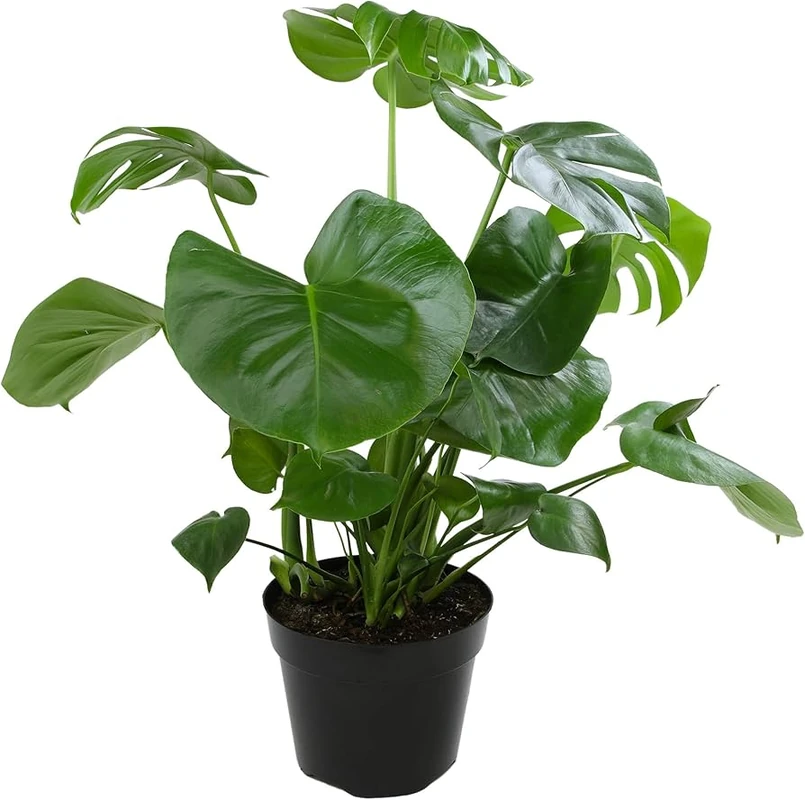
Monstera deliciosa is a tropical vine native to southern Mexico and Central America. It evolved under forest canopies where temperatures rarely drop below 60°F and humidity stays high year-round. That origin story matters more than any care tip you'll read online — because your climate zone determines whether this plant belongs in your garden or your living room.
As of April 2026, the USDA Plant Hardiness Zone Map places year-round outdoor monstera growing only in zones 10–12. That covers South Florida, Hawaii, and narrow coastal strips of Southern California. Everywhere else — including most of Texas, the Gulf Coast, and the Pacific Northwest — outdoor planting is either seasonal or outright dangerous for the plant.
Here's the hierarchy: your zone decides first. Not pot size. Not fertilizer. Not which grow light you bought. Get the zone question right and everything else becomes easier.
Monstera as a Tropical Native — What That Means for You
According to botanical records, Monstera deliciosa grows natively at elevations between sea level and 6,500 feet in humid tropical forests. It climbs using aerial roots and thrives under broken canopy light — not full sun, not deep shade. When you try to replicate that indoors in Chicago or Denver, you're working against physics. You can succeed, but you're accepting slower growth, smaller leaves, and less fenestration as permanent trade-offs.
Outdoor tropical climates deliver 10,000–20,000 lux of filtered light naturally. A bright indoor window near a south-facing wall in a northern U.S. city delivers 500–2,000 lux on a good day. That gap explains why a monstera in a Miami backyard looks like a different species than the one sitting in your apartment.
The USDA Zone Breakdown
- Zones 10–12 (South Florida, Hawaii, coastal Southern California): Year-round outdoor growing is realistic and — honestly — the better option for plant health.
- Zones 8–9 (Houston, Atlanta, Portland): Outdoor placement works from May through September. Bring the plant indoors before nighttime temps hit 55°F consistently.
- Zone 7 and below: Treat monstera as a strictly indoor plant. Moving it outside for a week in July isn't worth the transition stress and pest risk.
What Monstera Actually Needs to Thrive
Most care guides list "bright indirect light" and call it done. That's technically accurate and practically useless without numbers behind it.
Light Requirements Indoors vs. Outdoors
Indoors, monstera tolerates 200–500 lux but grows meaningfully only above 1,000 lux. Outdoors in dappled shade, it receives 10,000–20,000 lux — that's the driver behind the dramatic growth rate difference people notice when they move plants outside for summer. A north-facing window with no direct light is insufficient for real growth. A south or east-facing window within 5 feet of the glass is the indoor minimum worth committing to.
For comparison: a Fiddle Leaf Fig needs similar light intensity but is even less tolerant of low-lux conditions. If your space can't support a Fiddle Leaf Fig, it probably can't support a monstera either.
Temperature and Humidity Thresholds
The ideal temperature range for Monstera deliciosa is 65–85°F. Growth slows noticeably below 60°F. According to the University of Florida IFAS Extension, cellular damage in Monstera begins below 50°F, and severe tissue damage occurs below 40°F — well above the freezing point most gardeners associate with cold damage.
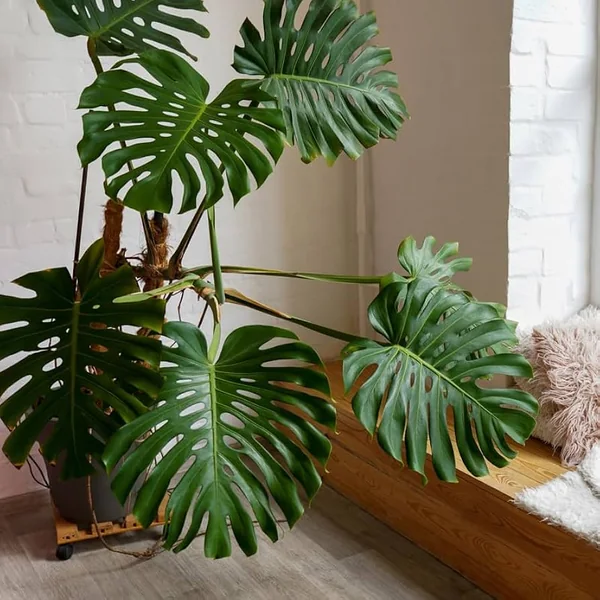
Humidity above 60% produces the largest, most fenestrated leaves. Outdoor tropical climates deliver this naturally. Indoors in winter, forced-air heating often drops humidity to 20–30%, which stunts leaf development and accelerates spider mite infestations.
Soil and Watering Differences by Environment
Outdoor ground planting needs well-draining, organic-rich soil amended with perlite — aim for a mix that retains moisture but never stays waterlogged. For containers indoors, a chunky aroid mix works best: Miracle-Gro Indoor Potting Mix blended 2:1 with orchid bark gives you drainage without sacrificing moisture retention. Standard potting soil alone compacts in containers and suffocates roots within 12–18 months.
Outdoor plants need more frequent watering in summer heat but benefit from natural rainfall cycles. Don't follow a fixed watering schedule outdoors — check the soil 2 inches deep and water when it's dry there. Indoor plants in containers should dry out completely in that top 2-inch layer between waterings.
Growing Monstera Outdoors: The Real Upside (and the Catch)
How Big Do Outdoor Monsteras Actually Get?
Big. Genuinely big. Outdoor monsteras planted in the ground in zones 10–12 regularly reach 30+ feet tall with individual leaves exceeding 3 feet wide. This is not a patio accent plant — it becomes a landscape feature, the way a mature oak tree becomes a landscape feature. Plan accordingly before you plant.
Most indoor monsteras top out at 6–8 feet under normal household conditions, and leaves rarely exceed 18 inches. The difference isn't genetics — it's light, root space, and humidity. Give the plant ground access and tropical conditions, and the genetics for massive growth activate.
Best Placement in an Outdoor Garden
Place outdoor monsteras in bright filtered shade — under a pergola, beneath a large canopy tree, or against a north-facing wall that blocks afternoon sun. Direct afternoon sun in summer causes bleaching and crisp brown edges within a few days. Morning sun is fine; midday and afternoon sun is damaging.
Do not plant directly against a house foundation. Monstera aerial roots are aggressive. Over several years they can work into cracks in concrete, wood siding, and irrigation lines. Give the plant at least 6–8 feet of clearance from any structure you care about.
Outdoor Pest Threats You Need to Know
Outdoor growing shifts the pest profile significantly. Indoors, spider mites dominate. Outside, you're dealing with scale insects, mealybugs, and — particularly in Florida and California — snails and slugs that shred emerging leaves overnight.
Snail damage is one of the most overlooked outdoor monstera problems. A ring of diatomaceous earth or copper tape around the base of containers works well as a barrier. For ground-planted specimens, iron phosphate bait (sold as Sluggo) is effective and safe around pets. Scale insects respond to horticultural oil spray applied every 10–14 days for three applications.
Outdoor plants grow faster, require less fertilization attention, and produce more dramatic foliage. If your zone allows it, outdoor is the better growing environment — full stop.
Growing Monstera Indoors: What Most Guides Get Wrong
The Biggest Indoor Growing Mistake
Putting monstera in a low-light corner because it "tolerates" shade is the single most common error we see. Tolerance is not thriving. A monstera in low light will survive — dropping one small, unfenestrated leaf every few months — while you wonder why you bothered. Fenestration (those iconic splits and holes) requires adequate light to develop. Without it, new leaves emerge solid, small, and juvenile-looking.
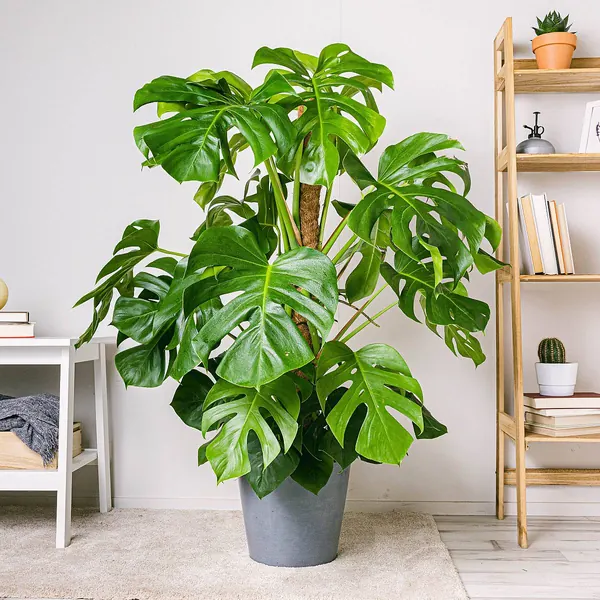
Move it closer to your brightest window. If you're concerned about direct sun on the glass, use a sheer curtain rather than pushing the plant across the room.
Which Monstera Varieties Work Best Indoors?
Monstera deliciosa is the best indoor species for most people. It handles lower humidity, temperature swings between day and night, and inconsistent watering better than its relatives.
Monstera Thai Constellation is visually stunning, but it grows extremely slowly indoors and costs $80–300+ for a small specimen as of 2026. Unless you can provide consistent warmth (above 68°F year-round), humidity above 60%, and strong indirect light, the Thai Constellation will reward you with one new leaf every 2–3 months — if you're lucky. It's not worth the investment for most indoor setups.
Monstera adansonii is the right pick for smaller spaces. Leaves stay under 12 inches even in ideal conditions, it vines well on a trellis or moss pole, and it tolerates slightly lower humidity than deliciosa. For apartments or rooms with limited floor space, adansonii is the practical choice. For current monstera plant prices on all three varieties, including where to find the best deals in 2026, check our pricing guide.
Indoor Pest Watch: Spider Mites and Fungus Gnats
Tetranychus urticae — common spider mites — are the primary indoor threat. Low humidity accelerates infestations, which is why winter is peak spider mite season in heated homes. A pebble tray filled with water placed under the pot, or a small ultrasonic humidifier nearby, reduces risk significantly. At the first sign of webbing on leaf undersides, treat immediately with neem oil or insecticidal soap spray — waiting two weeks turns a small problem into a major infestation.
Fungus gnats are a watering signal, not a light signal. If you have gnats, you're overwatering. Let the top 2 inches of soil dry completely between waterings. Sticky yellow traps help catch adults while you correct the moisture issue at the root level.
Moving Monstera Between Indoors and Outdoors
The 2-Week Hardening-Off Protocol
Moving a monstera directly from an indoor spot to outdoor light causes sun scorch within 48 hours. Leaves turn pale yellow or develop papery brown patches that won't recover. The plant isn't dying — but those leaves are permanent casualties.
Use this schedule instead:
- Days 1–7: Place the plant outdoors in full shade for 2–3 hours per day, then bring it back inside. A spot under a covered porch or dense tree works perfectly.
- Days 8–14: Increase outdoor time to 4–6 hours. Allow brief morning sun exposure (before 9 a.m.) but avoid midday light entirely.
- Day 15+: The plant can handle a partially shaded outdoor position all day — dappled light under a tree canopy or on a covered patio.
Never move it to full outdoor sun, even after hardening. Monstera deliciosa is a forest understory plant. Full sun exposure is always wrong, regardless of acclimation.
When to Bring It Back Inside in Fall
Bring your monstera indoors when nighttime temperatures consistently drop below 55°F. In most of the continental U.S., that means mid-September to early October — earlier than most people expect. Don't wait for the first frost warning; by then, the plant has already experienced stress.
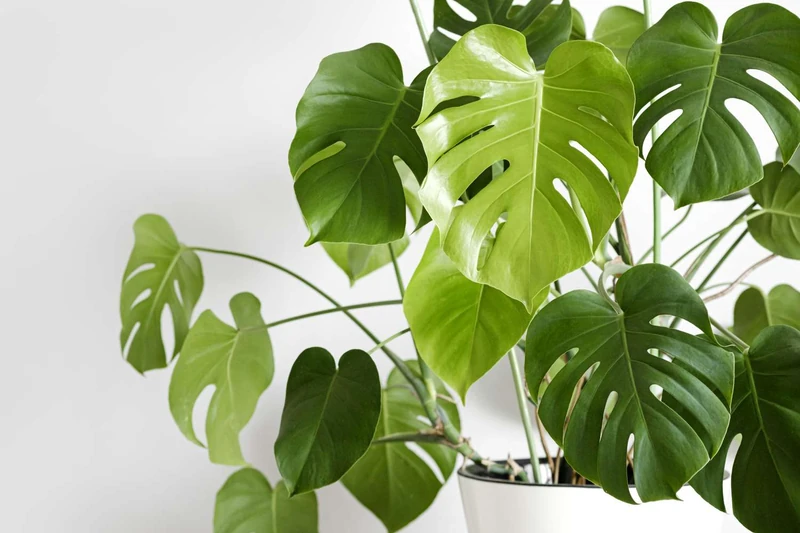
Before it comes inside, spray the entire plant down with insecticidal soap, let it dry for 30 minutes, and then inspect the undersides of every leaf with a magnifying glass. Outdoor plants pick up hitchhikers. One overlooked spider mite colony indoors can spread to every plant in your home within three weeks.
Side-by-Side: Indoor vs. Outdoor Monstera
| Factor | Indoor Growing | Outdoor Growing |
|---|---|---|
| Growth rate | Slow (1–2 leaves/month in good conditions) | Fast (3–6+ leaves/month in zones 10–12) |
| Max size | 6–8 ft tall; leaves to 18 in. | 30+ ft tall; leaves to 3+ ft wide |
| Light control | You control it — but rarely enough | Natural filtered light; easier to manage |
| Primary pest risk | Spider mites, fungus gnats | Scale, mealybugs, snails, slugs |
| Humidity management | Requires humidifier or pebble tray in winter | Natural humidity in tropical zones |
| Soil needs | Chunky aroid mix; refresh every 1–2 years | Amended garden soil; less intervention |
| Zone requirement | All zones (year-round) | Zones 10–12 (year-round); 8–9 (seasonal) |
| Best for | Zones 7 and below; apartment dwellers | Zones 10–12 homeowners with garden space |
According to the Royal Horticultural Society, Monstera deliciosa is rated hardy only to 50°F (10°C), confirming that outdoor year-round cultivation in temperate climates is not viable.
The Verdict
If you're in Miami, Honolulu, or coastal San Diego and you have garden space — plant it outside. Outdoor monstera in zones 10–12 is healthier, larger, and lower-maintenance than any indoor specimen.
In zones 8–9, the seasonal hybrid approach wins: outdoors May through September, indoors October through April. You get the summer growth surge without cold damage risk.
In zones 7 and below, indoor is your only realistic option. Accept the trade-offs — slower growth, smaller leaves — and compensate with the brightest window you have, a humidifier, and a chunky soil mix. That's the honest answer.
Frequently Asked Questions
Can monstera survive winter outside?
No — not in zones 9 and below. Monstera deliciosa begins suffering cellular damage below 50°F and serious tissue damage below 40°F. In zones 10–12 (South Florida, Hawaii, coastal Southern California), outdoor year-round growing is safe. Everywhere else, bring it indoors before nighttime temperatures consistently drop below 55°F, which is typically mid-September to early October across most of the continental U.S.
Does monstera need direct sunlight?
No. Monstera is a forest understory plant — direct midday sun causes bleaching and leaf burn within days. It needs bright, filtered, indirect light. Outdoors, place it under a pergola, canopy tree, or north-facing wall. Indoors, a south or east-facing window within 5 feet of the glass is ideal. Brief morning sun (before 9 a.m.) is tolerable and even beneficial, but direct afternoon sun damages the foliage.
How do I know if my monstera is too cold?
Cold damage shows up as darkened, water-soaked patches on leaves that turn brown and mushy as they dry. The damage is irreversible on affected leaves. If temperatures have dropped below 50°F, expect cellular damage even without visible frost. The 50°F threshold is the line — not freezing temperatures. Move the plant indoors immediately if nighttime lows are approaching that mark.
Can monstera grow in a pot outside year-round?
Only in USDA zones 10–12. Container-grown monsteras are actually more cold-sensitive than in-ground plants because roots in containers lose heat faster than ground soil. In zones 8–9, outdoor container growing works seasonally — May through September — but requires moving the plant indoors in fall. Container monsteras won't reach the same size as in-ground plants, but they're easier to relocate.
What kills monstera fastest?
Cold exposure below 40°F kills monstera fastest — within 24–48 hours of a freeze event. After that, chronic overwatering (which causes root rot) and prolonged direct afternoon sun are the next most common causes of plant death. Spider mite infestations left untreated for 4–6 weeks can also cause enough leaf loss to permanently weaken the plant. Low light alone won't kill it, but it will produce a plant that barely functions.
Why is my indoor monstera not growing?
The most likely cause is insufficient light. A monstera placed in a low-light corner will stall — producing one small, unfenestrated leaf every few months at best. Move it to within 5 feet of your brightest window. The second most common cause is being root-bound in compacted soil: if your plant hasn't been repotted in 2+ years and the soil is dense, it's time for fresh chunky aroid mix and a container one size up.